Mercedes’ George Russel set the fastest time of the test session with a 1:29.545. But Williams showed how reliable their car is with another day exceeding 130 laps again, and Esteban Ocon was the only other driver to complete 100 laps.
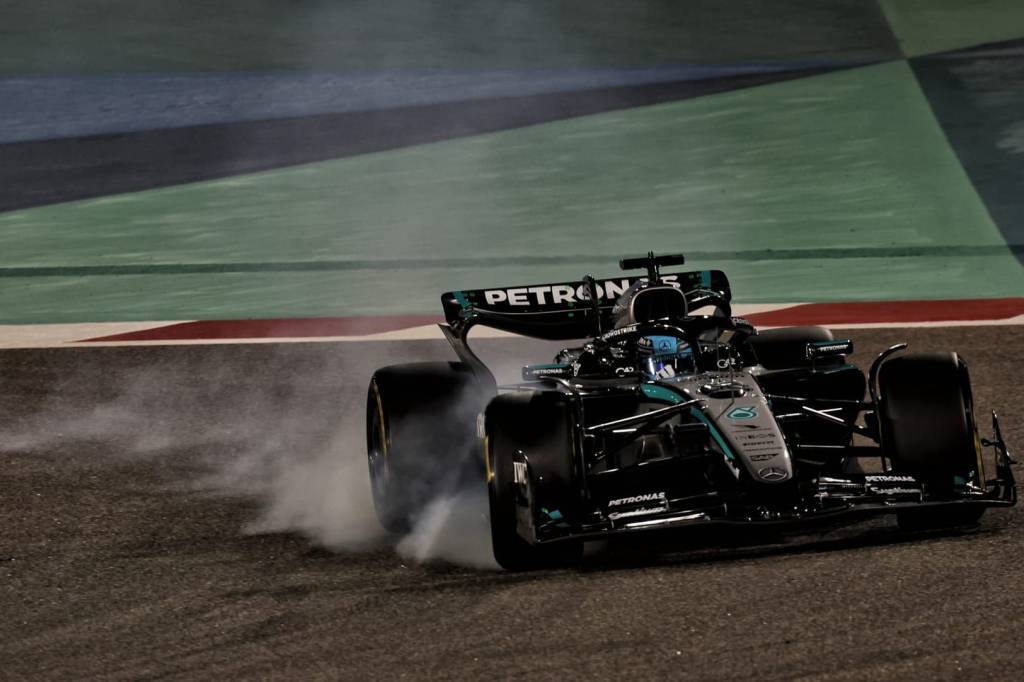
Within the first 30 minutes, Oliver Bearman in his Haas was pushing it, trying to get into the 1:30s. But the car could not handle the speed and disintegrated, sending parts of the side pod and engine cover across the track. The human wall was erected to hide as much of the car as possible. The debris was collected under localised yellow flags.

The second red flag of the season was not caused by any of the drivers or debris. A window broke in the chequered flag booth on the pit wall. The glass scattered across the start/finish straight and had to be cleaned up; otherwise, a nasty puncture could ruin a team’s day.
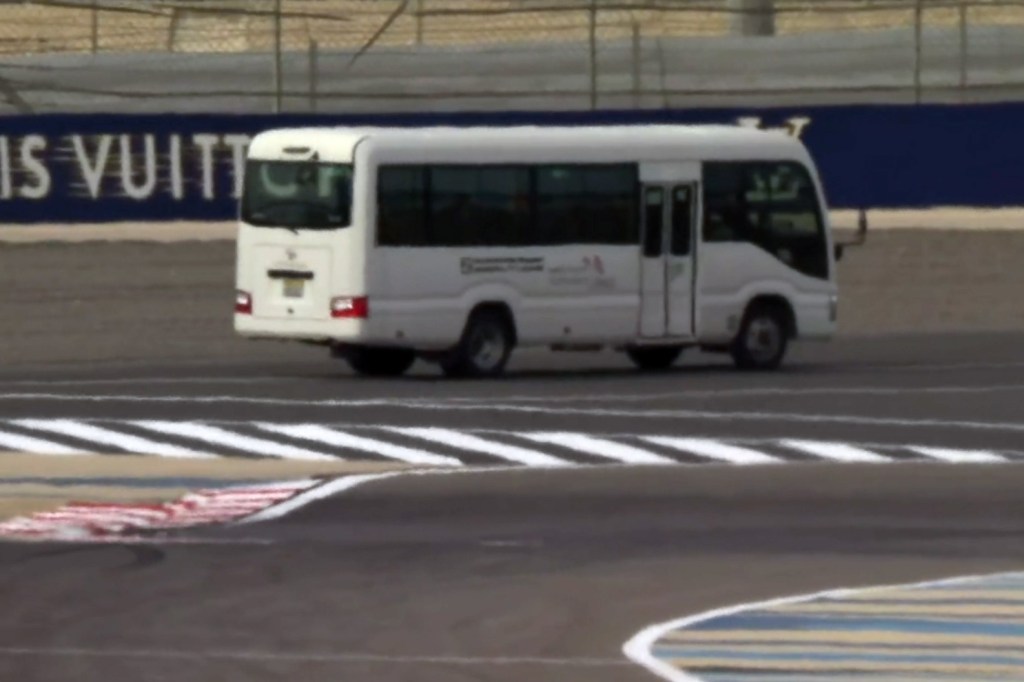
This is the first and only time this year that there were two red flags in one session. A bus drove onto the track at Turn 10. As this corner is very tricky, the only thing the FIA could do was a red flag. The reason for the bus on the track is unknown, and the driver of the bus is also unknown. If you want to go on a bus tour on a track whilst race cars are going around, you can do it with WEC at Fuji. Lucky fans can jump on a bus that drives around the track as Hypercars and GT race.
Lance Stroll took the Aston Martin on track for the afternoon session. Still, he passed the baton to teammate Fernando Alonso as Stroll went home early due to illness and poor sleep the night before. The heat might have got to him, with the track being 15 degrees Celsius higher today than yesterday. The cockpit can exceed 50 Degrees Celcius in a race.

As testing is over, the question that is mainly asked is, ‘Who are the fastest, and who are the slowest?’ The simple answer is that we don’t have a clue. We do not know how much fuel the cars have or their engine modes. We won’t say anything until qualifying for Round One in Australia later next month.
 MotorPost
Leave a comment