Colin Chapman, one of the most famous and innovative names in motorsport and automotive history, led his Formula One team to six drivers’ and seven constructors’ championships between 1963 and 1978. Lotus attracted the biggest names: Hill, Clark, Senna, Fittipaldi and Hakkinen to name a few.
Lotus became a staple in many corners of global motorsport, claiming an Indy 500 victory and Formula 2 championship in 1965, winning the Tasman Series Championship in 1965 and 1967, and achieving titles in the British Saloon Car Championship (now BTCC) in 1964 and European Touring Car Championship in 1965 – both with Lotus Cortinas.
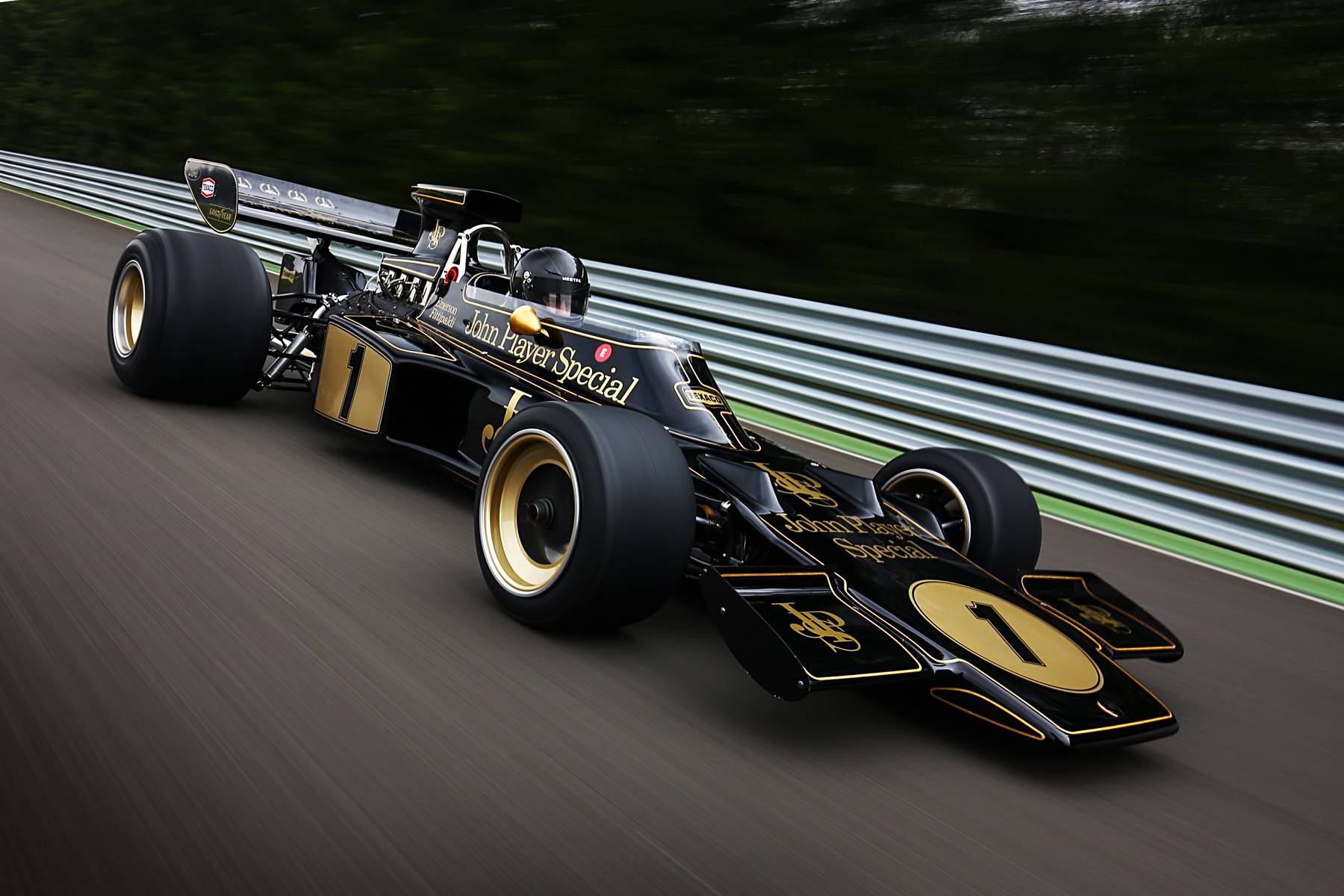
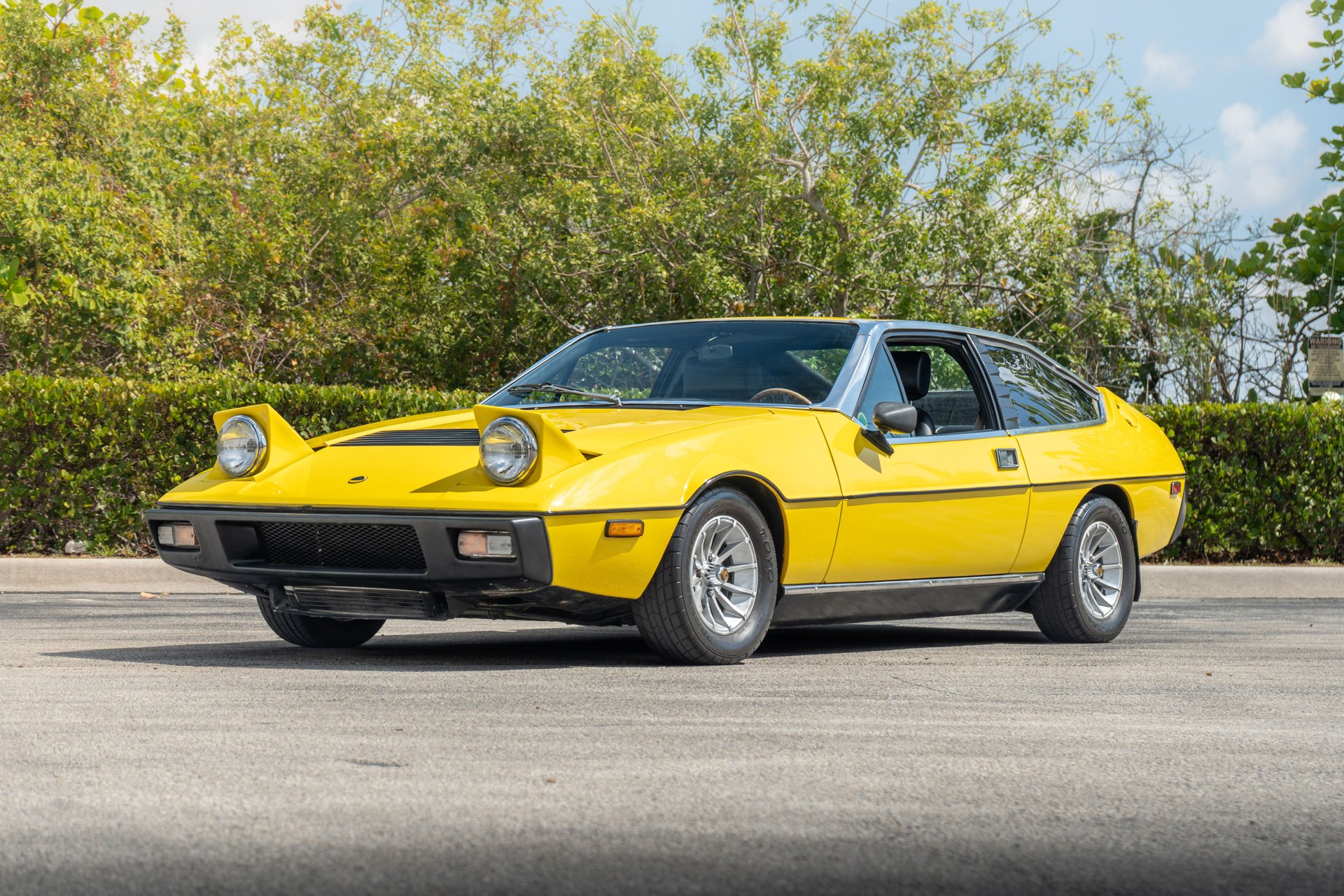
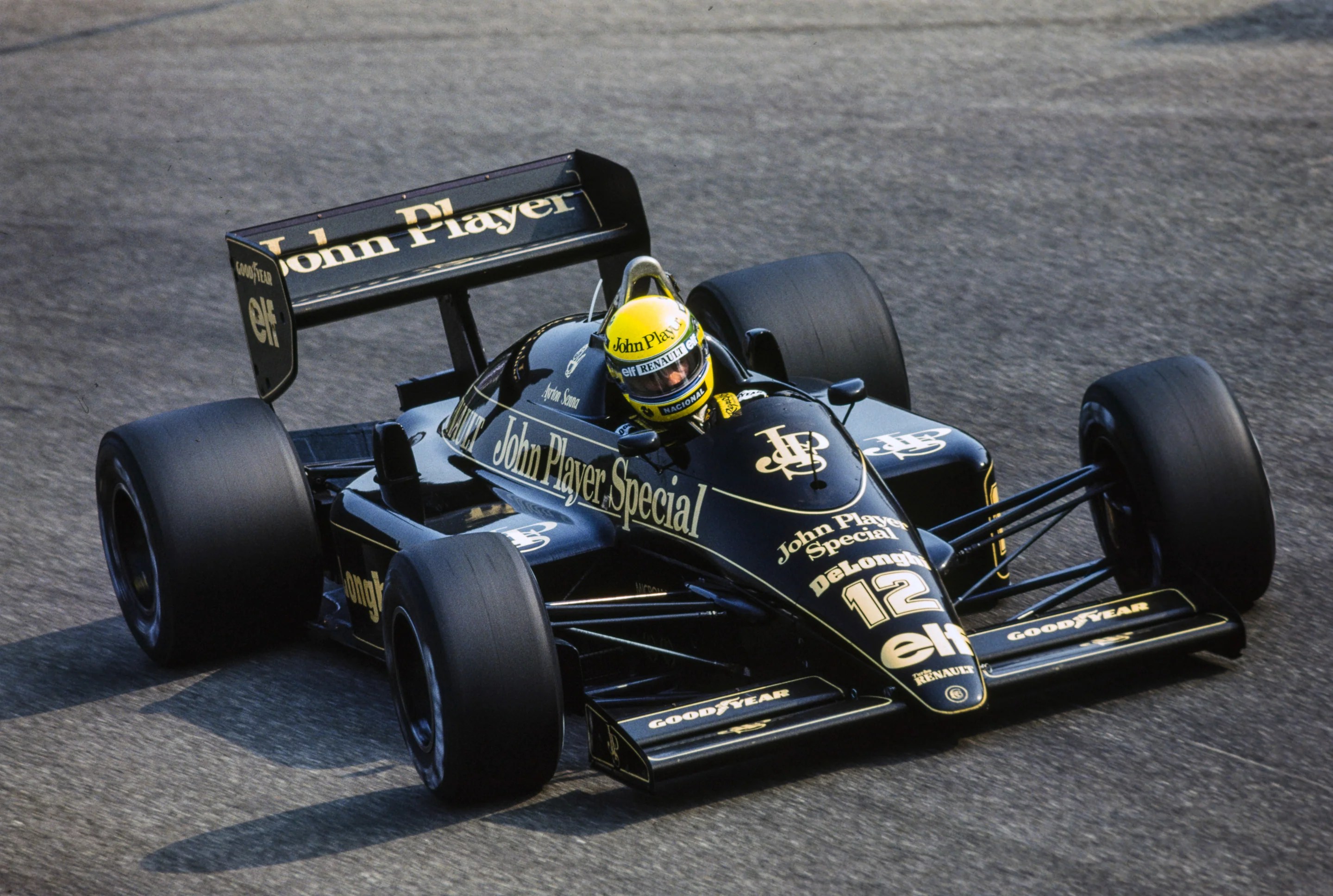
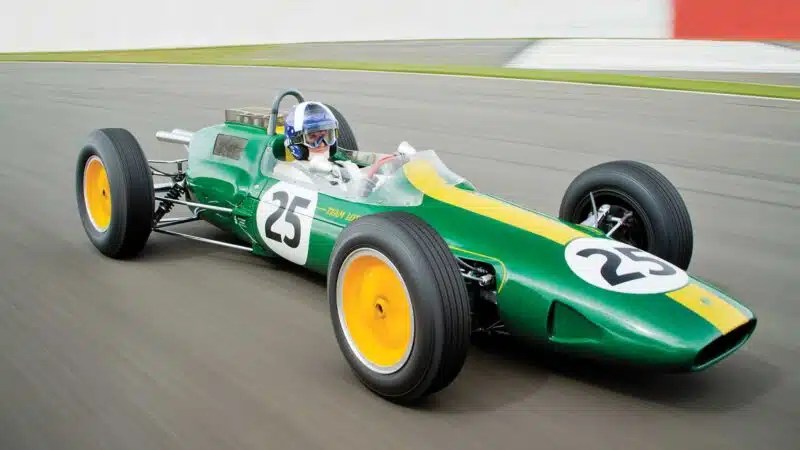
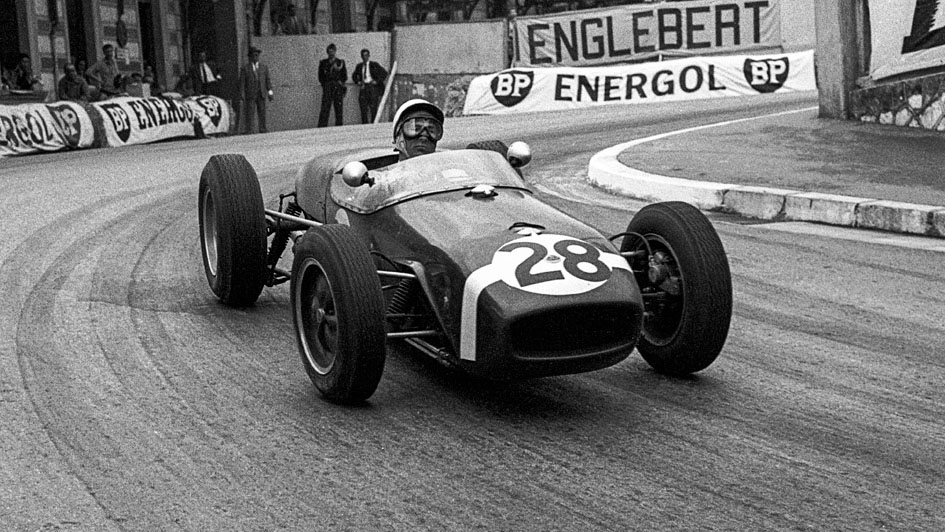
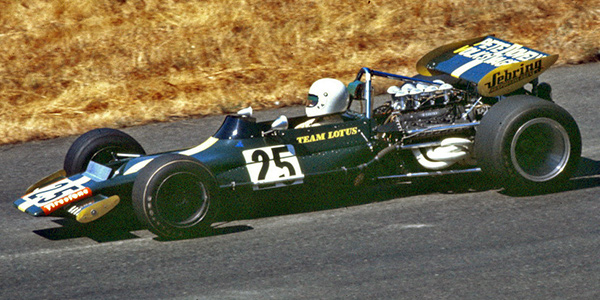
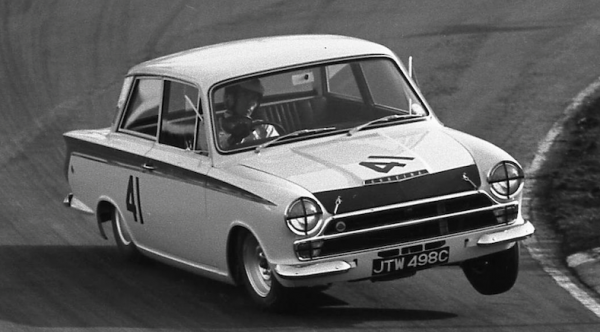
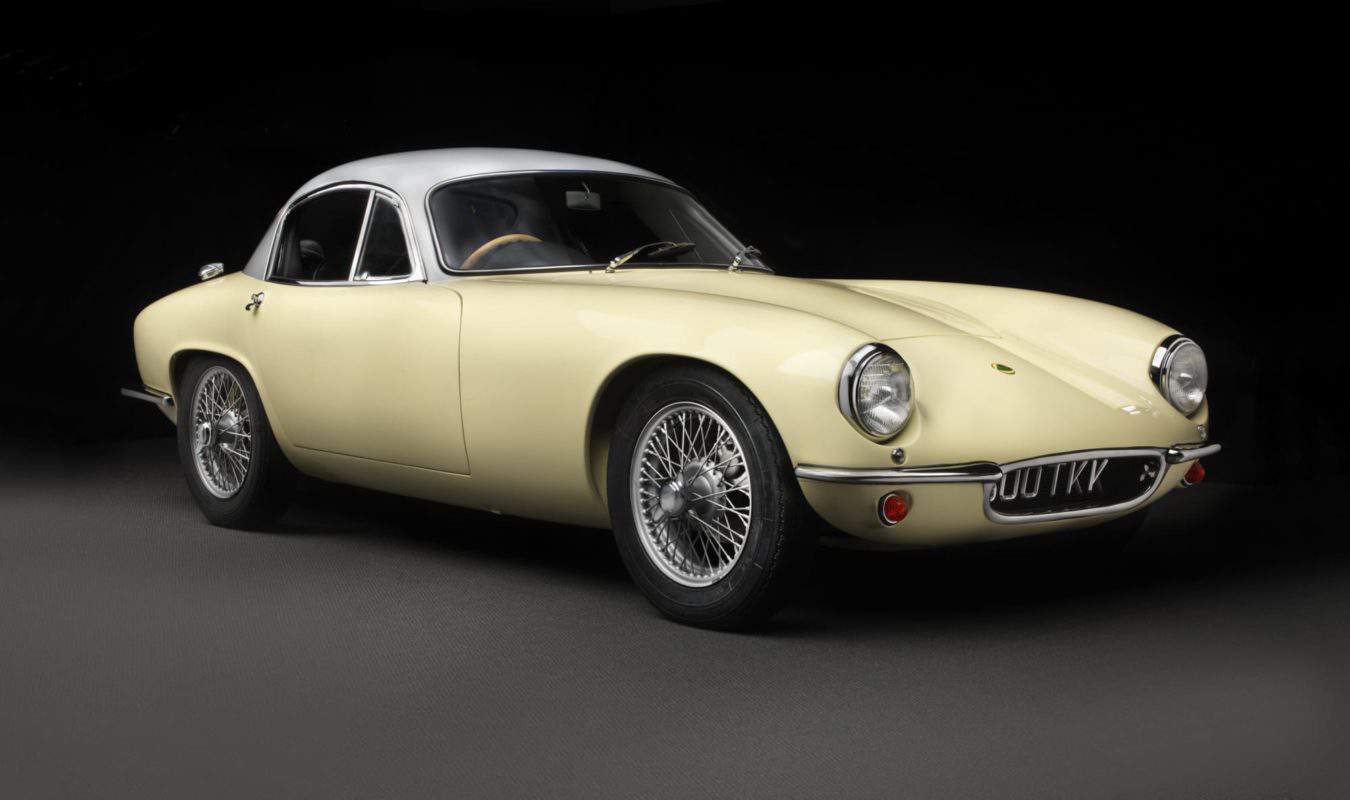
The Norfolk-based marque made fame for designing sporty cars, including the Seven, Elan, the legendary Lotus-Carlton, and more up-market models like the Elite and Eclat. How did Chapman achieve such immense success on the global stage? His famed mantra: to “simplify, then add lightness.”
Now Lotus manufactures cumbersome, complicated, soulless electric SUVs in China. What the hell happened?
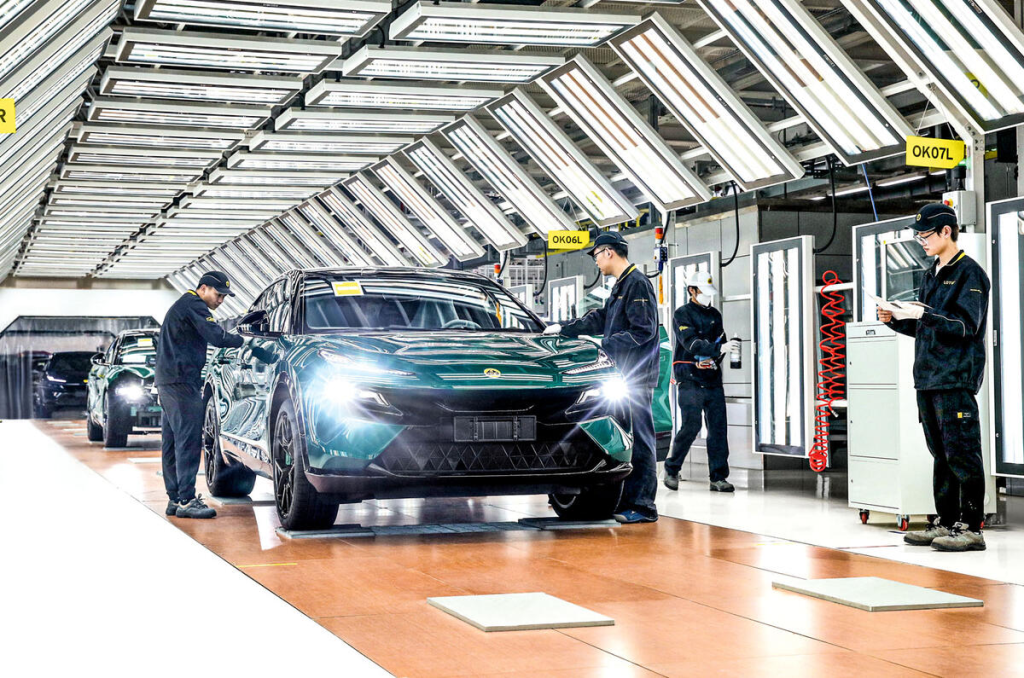
Chinese-operated Geely Auto Group bought a 51% majority stake in the company in 2017. Geely also owns Volvo, Polestar, Lynk & Co., Smart, Zeekr and more – so they know a thing or two about sustainably shifting units. However, pressures from Geely have caused an advanced push for electrification across the Lotus lineup. This resulted in models such as the Eletre (SUV) and Emeya (executive saloon) – two battery electric vehicles made exclusively at Lotus’ Wuhan production site.
On the 28th August this year (2025), Lotus confirmed plans to cut up to 550 jobs due to “volatile and evolving market conditions,” including US tariffs, which place a 100% tax on exported Chinese-made EVs to the US. Not only does this affect jobs in the short-term, but with Lotus planning to end sports car production in the UK and move to the US altogether, a further 1300 jobs are expected to be axed.
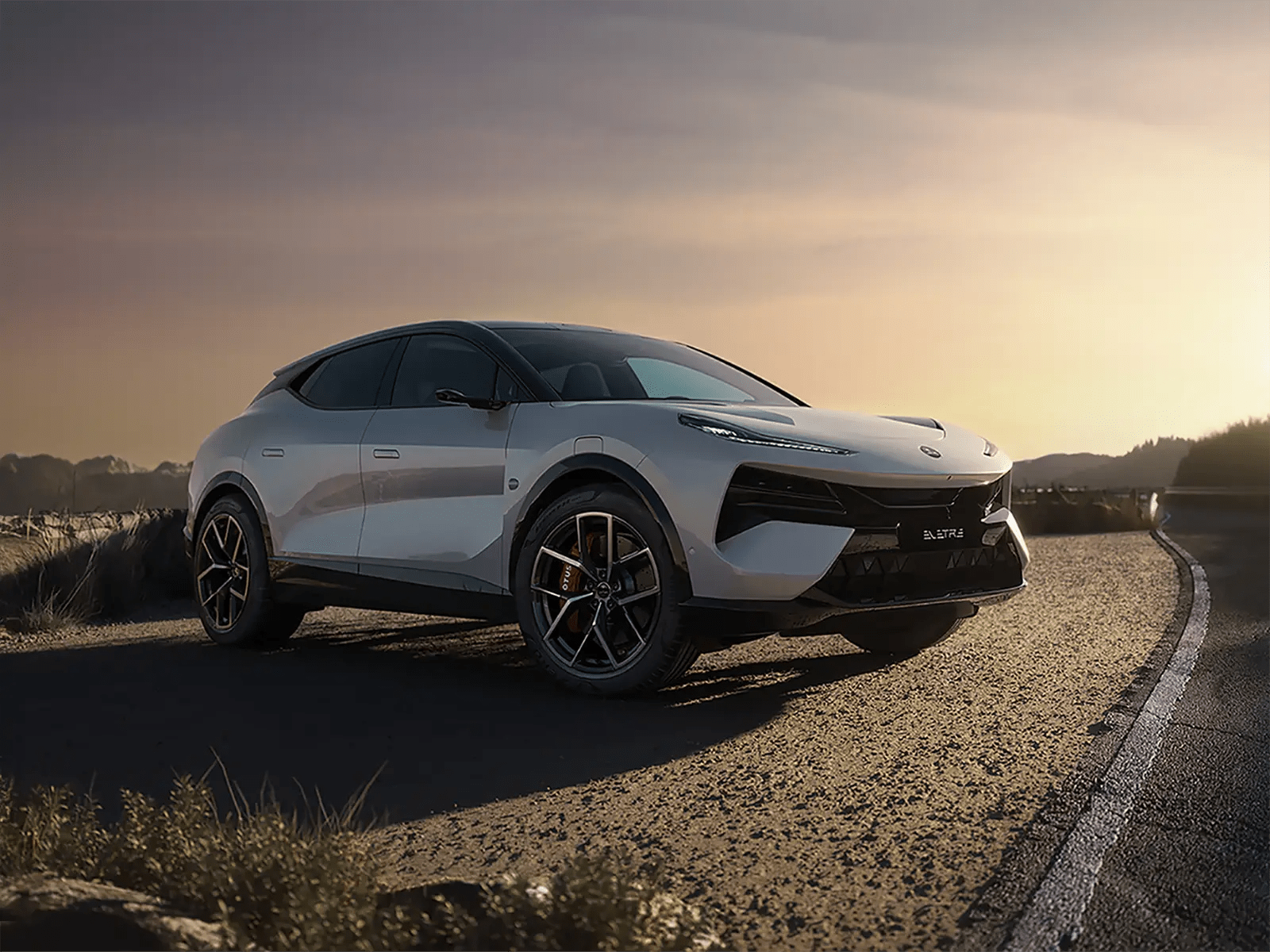
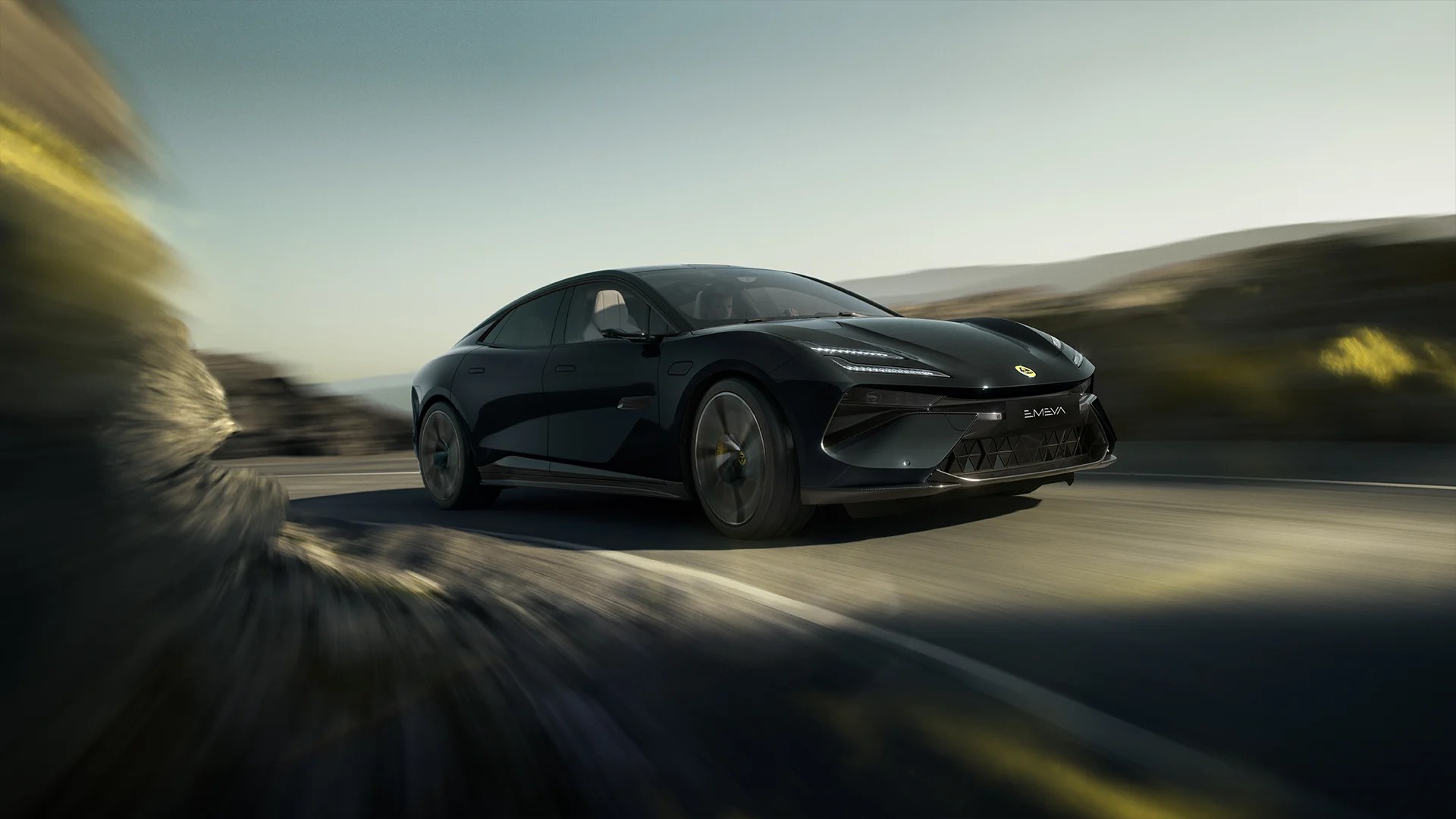
Put simply, Lotus is losing its way. Batteries are heavy, technology is expensive, and the soul and enjoyment from a lightweight, low-slung sports car built in a shed has long been left in the past. So what next? Thankfully, the Emira sports coupe is confirmed to see a V8 version under upcoming Euro 7 emissions standards outlawing the current supercharged V6. So there is something to look forward to.
Lotus also unveiled a sports car concept in September last year, the ‘Lotus Theory 1’ (also known as the Type 135), a design manifesto showcasing the future direction of the brand. It features a 986-hp dual-motor electric powertrain and a central driving position three-seat layout inspired by the McLaren F1. The concept, looking to production around 2027, will also be made up of only 10 lightweight A-surface materials, rather than the approximately 100 used in road cars, to promote sustainability without compromising performance. With this, Lotus is aiming for a weight under 1,600 kg.
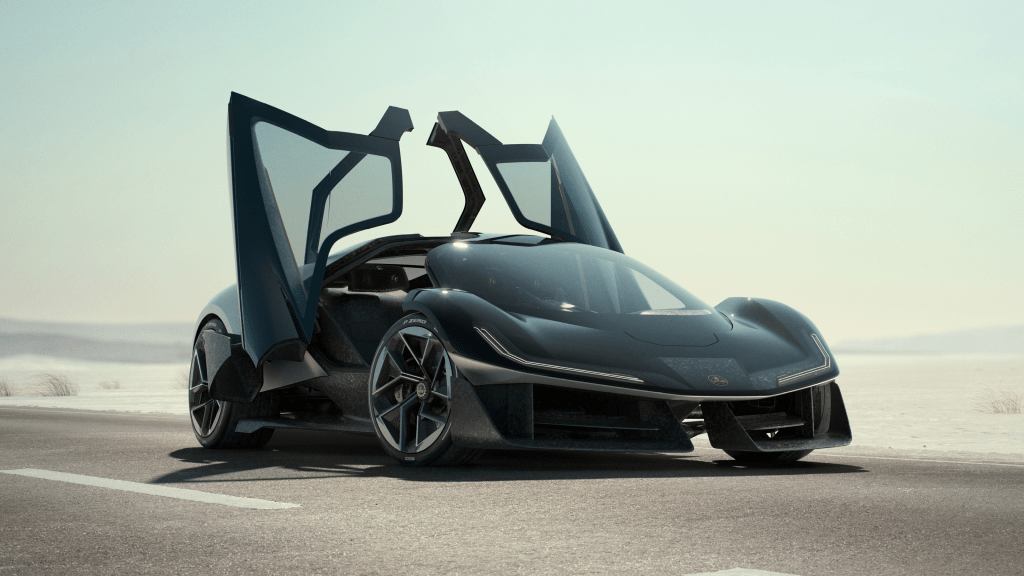
Only time will tell where, when – or if – the Theory 1 concept becomes a reality. If it does, will it be enough to showcase Lotus’ history while moving into a future of electrification? The stakes are high, both financially and politically, to make sure Lotus does not end up yet another defunct British sports car name. If you can still call it British…
“Adding power makes you faster on the straights, subtracting weight makes you faster everywhere.”
– Colin Chapman
 MotorPost
Leave a comment